I am taking the course to improve my reading skills, and to be able to do Bible Study better as a teacher in Changed Life Educational Ministries.


Queen Bailey
Elder of CLEM
Apa sing bakal sampeyan sinau?
Teaching how to read one-syllable words involves introducing students to basic phonics, focusing on simple sound-letter associations.

Learning one syllable words with 'next steps' (at the 'red' level). The Alphablocks are 26 living letters who discover that whenever they hold hands and make a word, something magical happens. Alphablocks is the hit CBeebies TV show helping children learn to read.

Learning one syllable words with 'next steps' (at the 'red' level). The Alphablocks are 26 living letters who discover that whenever they hold hands and make a word, something magical happens. Alphablocks is the hit CBeebies TV show helping children learn to read.
Learning how to pronounce one syllable word using basic words in the Bible.
Teaching how to read two-syllable words involves introducing students to basic phonics, focusing on simple sound-letter associations.
Get ready for an exciting reading adventure as we explore two Syllable words in this engaging and educational video! Join us as we journey through a world of words, where each step takes us closer to mastering the art of reading with fun and enthusiasm.
Learn how to teach your kids to read 2 syllable words. It’s easy for many kids, but those with dyslexia and other learning issues might need some extra help. Learn the tricks to getting kids over the common struggles that come along with bigger words and get your kids reading and writing 2 syllable words TODAY!
Learn about dividing words and counting syllables as we explain what is a syllable in the English language.
Teaching how to read three-syllable words involves introducing students to basic phonics, focusing on simple sound-letter associations.
Teaching how to read four and five-syllable words involves introducing students to basic phonics, focusing on simple sound-letter associations.
Build your body and brain while you learn about syllables. Jack Hartmann explains syllables are really parts of a word and they are like a beat that can be heard. Clap your hands with Jack to the one syllable words. Raise your arms to the two syllable words. Stomp your feet to the three syllable words and tap your knees to the four syllable words.
Read three letter words
Learning how to sound out words. Repeat activity as often as needed
Teaching Bible literacy through one-sentence Bible verses
Babagan kursus
The Bible Literacy Course is specifically designed to assist individuals with limited reading skills or those who struggle with reading comprehension. The course provides practical techniques and skills to help them improve their ability to read and understand the Bible more effectively. The goal is not only to increase literacy in general but also to enable participants to engage with Scripture confidently and meaningfully.
Key Components:
Building Basic Reading Skills:
Introduction to phonics, vocabulary, and reading comprehension strategies to improve literacy.
Simple exercises that help individuals recognize words and phrases commonly found in the Bible.
Understanding Bible Structure:
Simplified explanations of the Bible’s divisions, including the Old and New Testaments, books, chapters, and verses.
Teachings on how to navigate the Bible, using tools like the table of contents and indexes.
Contextual Learning:
Focus on how to read and understand key Bible passages, with an emphasis on using short, accessible verses to build reading confidence.
Instruction on how to break down complex Bible verses into smaller, more manageable parts for better understanding.
Practical Bible Reading Techniques:
Use of interactive activities like read-aloud sessions and group discussions to encourage participation.
Encouragement to use audio Bibles or visual Bible resources to support understanding.
Techniques to improve focus, concentration, and retention while reading.
Application of Scripture in Daily Life:
Teaching how to incorporate Bible reading into daily routines through accessible and relatable passages.
Encouragement to reflect on simple Bible verses and how they apply to personal life and spiritual growth.
The Bible Literacy Course helps individuals develop reading skills that support spiritual and practical growth. It empowers them to connect more deeply with the Word of God and participate in church or community Bible studies with confidence. The course fosters an environment of support, patience, and encouragement to help each learner improve their reading abilities and their understanding of Scripture.
Babagan guru
+ Dr Diane Bailey
Bishop in the Lord's Church and Founder of Safe Haven Minist3
Dr. Diane Bailey is an accomplished author and educator with expertise in Biblical Education and Spiritual Counseling. Her written works reflect her passion for addressing spiritual, relational, and leadership challenges. Among her publications are Hell and Suicide I and II (The Afterthought), a series exploring deep spiritual struggles, and Before You Say I Do I-III, with the subsequent titles Coming Full Circle and Relationship-cation, which focus on preparing for and understanding relationships.
Dr. Bailey's other significant works include The Broken Sheep, The Making of a Female Leader, Building Unified Ministries, and The True Face of Satan, each addressing critical aspects of spiritual growth and ministry development. As a Bishop in the Lord’s Church, she is dedicated to life education and fostering spiritual awakening. Writing is both her ministry and her calling, and she continues to work on new assignments that inspire and uplift others.
Testimoni
"I thank God for a creative technique to not only teach how to read, but also give confidence and learning using the best resource."
Dr Diane Bailey
Dean of Students
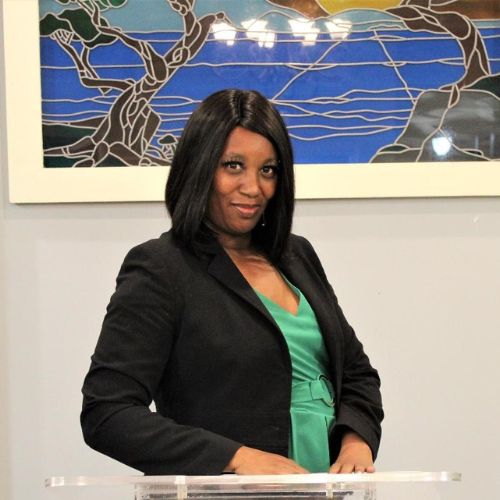
"I am taking the Bible Literacy program to improve my reading skills and learn the Bible better."
Lottie Barnett
Door Keeper