"As the Dean of Students for KCCIBC, I initially took this course as a way to test its structure and content. However, what I discovered was far beyond my expectations. The material was presented in a way I had never encountered—fresh, insightful, and deeply impactful. It not only expanded my understanding but also reignited my passion for teaching and ministry. This course has set a new standard for how biblical principles can be taught and applied, and I wholeheartedly recommend it to anyone seeking to grow in their knowledge and walk with God."

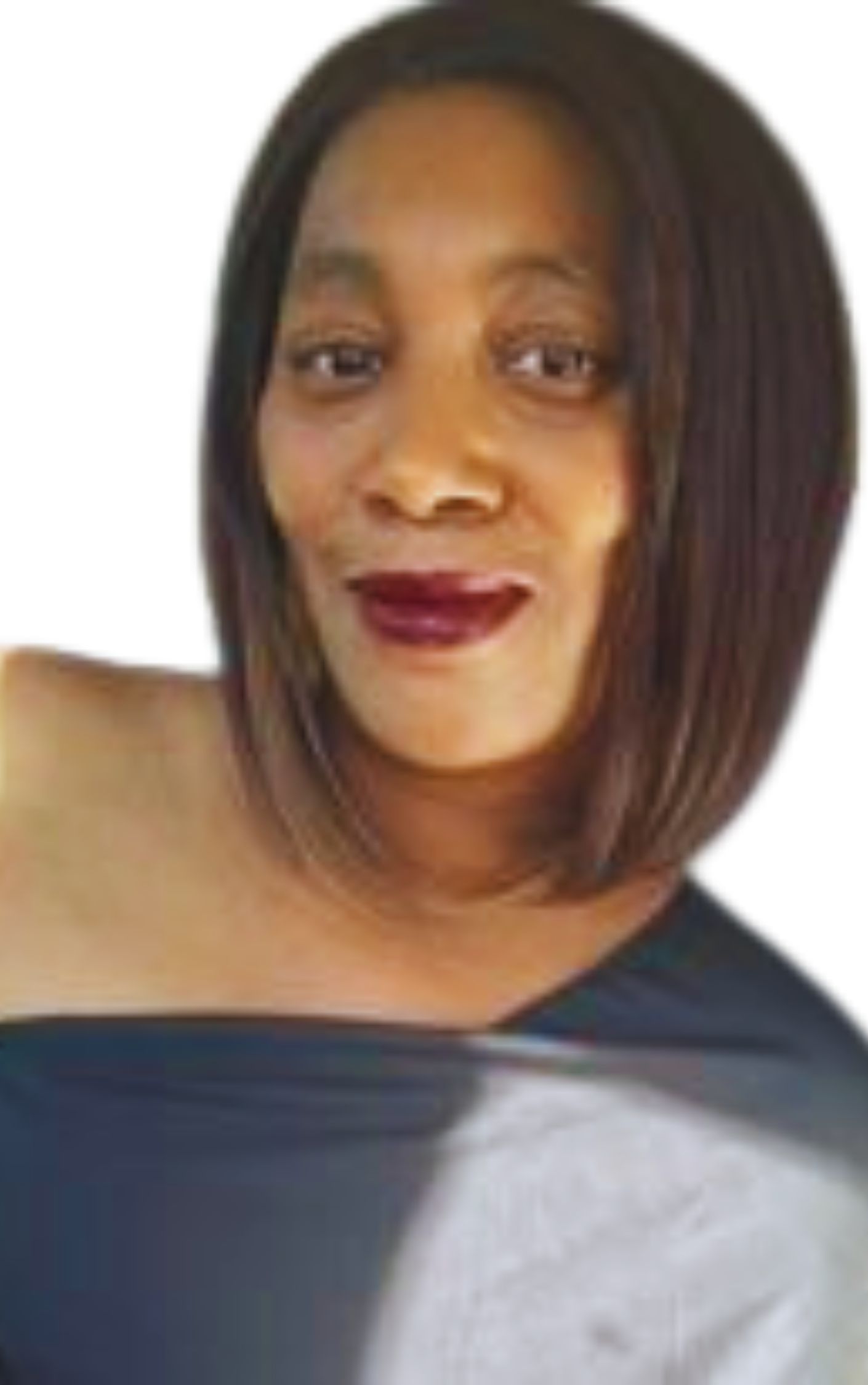
Dr Diane Bailey
Dean of Students
What you will learn?
This video is a reading of The Teaching of the Twelve Apostles. Often, its name is shortened to The Teaching, that is, The Didache. This reading is based on the translation in the 1880s by various men such as professor M.B. Riddle, D.D.; professor Isaac H. Hall; and John T. Napier. This reading attempts to present the Didache in more modern English. For example, "thee" and "thous" have been replaced with "yous" and spellings have been rendered in common American usage. The chapters and verses, which were given by the translators, will not be read but have been included in the video. Their footnotes that reference Scripture have been included in the video. My footnotes are in parentheses.

This teaching series is designed to provide an in-depth exploration of the Didache, one of the earliest Christian writings, often referred to as "The Teaching of the Twelve Apostles." The study will focus on its historical, theological, and practical significance for contemporary Christian life and practice. Through structured weekly lessons, participants will engage with scriptural references, historical insights, discussion prompts, and practical application exercises to deepen their understanding and spiritual growth.

The Didache, which means "teaching" in Greek, is a first century Christian document that presents practical instructions for living the Christian life. From the start, the writer is emphatic that “there are two paths to follow: one is life and the other is death." And that "There is a profound difference between the two.” This theme of life and death is weaved throughout the manuscript. As one of the earliest Christian documents, it comes as no surprise that it, much like Paul's letters, contains a number of moral teachings; some outline the Ten Commandments, others reaffirm the teachings of our Lord Jesus Christ, and still others that draw practical conclusions from these teachings.
An unknown author wrote this work around AD 257. It appears that there were situations when people were baptized by heretics in the name of Jesus Christ and later realized their error and came to the Church in repentance. Unlike his contemporaries, the author takes a more accepting stance of baptism by heretics. The author uses the Scriptures and realistic situations to make his argument.
The Letter of Barnabas is one of the oldest Christians works. Was it written by Barnabas the Apostle or another Barnabas? This video goes into detail about this letter.
This video is a reading of the Martyrdom of Ignatius. This was written by those who accompanied Ignatius to Rome and witnessed his death, probably Philo, Agathopus, and Crocus, who are mentioned in Ignatius' letters. This reading attempts to present the Martyrdom of Ignatius in more modern English.
The Letter to Diognetus was written by a student of the apostles. Both the author (also called Mathetes) and Diognetus are unknown to us. In it, he writes about the folly of pagan idols and Jewish observances, the characteristics of the Christian, and the role of Jesus Christ in His relation to the Father and forgiving our sins.
This video is a reading of the Martyrdom of Ignatius. This was written by those who accompanied Ignatius to Rome and witnessed his death, probably Philo, Agathopus, and Crocus, who are mentioned in Ignatius' letters. This reading attempts to present the Martyrdom of Ignatius in more modern English
The Shepherd of Hermas was written around AD 150 and was almost included in the New Testament. Many prominent Christian writers such as Irenaeus, Clement of Alexandria, and Origen accepted it. In it, Hermas is visited by an angel and guides him through 5 visions, 12 commandments, and 10 parables.
The Shepherd of Hermas was written around AD 150 and was almost included in the New Testament. Many prominent Christian writers such as Irenaeus, Clement of Alexandria, and Origen accepted it. In it, Hermas is visited by an angel and guides him through 5 visions, 12 commandments, and 10 parables.
The Muratorian Fragment was written around AD 170. The complete work has been lost. This fragment was found in Milan, Italy in the 1730s by Ludovico Muratori. The fragment was named after him. The most valuable part of this fragment is its list of books that were accepted as canon by the church in Rome.
The Muratorian Fragment was written around AD 170. The complete work has been lost. This fragment was found in Milan, Italy in the 1730s by Ludovico Muratori. The fragment was named after him. The most valuable part of this fragment is its list of books that were accepted as canon by the church in Rome.
Tatian lived and wrote in Rome around AD 170. He was a student of Justin Martyr. Later in his life, he started a group called the Encratites. They added practices to the Scriptures, believing they were more righteous for doing so. Tatian compiled the Diatessaron, a compilation of the four gospels into one seamless work. This became the version of the gospels for the Aramaic Christians in Syria. We also have his worked called Address to the Greeks.
This work is the oldest surviving work by a Christian woman, Viva Perpetua. She recorded her experiences as a Christian martyr around AD 210. Her companions in martyrdom were Felicitas (Felicity), Felicitas' husband Revocatus, Saturus (who was not convicted by the Romans but voluntarily joined them), and their fellow catechumens: Saturninus and Secundulus. Perpetua was so committed to God that she was not persuaded by her Father to deny God and sacrifice to the Romans gods or Caesar. Even when she had undergone many sufferings and tortures, when her clothes were torn, she covered herself to remain modest. In her story, Perpetua describes a vision where she saw her dead brother in agony. She prayed for him, then later saw him refreshed. This is an early Christians example of praying for the dead.
This work is the oldest surviving work by a Christian woman, Viva Perpetua. She recorded her experiences as a Christian martyr around AD 210. Her companions in martyrdom were Felicitas (Felicity), Felicitas' husband Revocatus, Saturus (who was not convicted by the Romans but voluntarily joined them), and their fellow catechumens: Saturninus and Secundulus. Perpetua was so committed to God that she was not persuaded by her Father to deny God and sacrifice to the Romans gods or Caesar. Even when she had undergone many sufferings and tortures, when her clothes were torn, she covered herself to remain modest. In her story, Perpetua describes a vision where she saw her dead brother in agony. She prayed for him, then later saw him refreshed. This is an early Christians example of praying for the dead.
The Didascalia Apostolorum is Latin meaning the Teaching of the Apostles. The work claims to be written by the apostles; it is even written in first person. However, this work was never considered to be Net Testament canon, so it is my opinion that it was not written by the apostles. The first seven books explain much about the Christian life. The seventh book is a copy of the Didache. Many people will recognize this work as the Apostolic Constitutions. This was compiled around AD 390 along with an eighth book. It seems that the eighth book was written after the Council of Nicaea in AD 325, so it will not be included with this channel.
An unknown author wrote this work around AD 257. It appears that there were situations when people were baptized by heretics in the name of Jesus Christ and later realized their error and came to the Church in repentance. Unlike his contemporaries, the author takes a more accepting stance of baptism by heretics. The author uses the Scriptures and realistic situations to make his argument.
Clement of Rome was a bishop of Rome around 95-100. He wrote two early works, 1 and 2 Clement, which have survived until today. He is mentioned in Php 4:3 and was a student of both Paul and Peter.
Clement of Rome was a bishop of Rome around 95-100. He wrote two early works, 1 and 2 Clement, which have survived until today. He is mentioned in Php 4:3 and was a student of both Paul and Peter.
Polycarp, bishop of Smyrna, was a student of the Apostle John. He is the last known person who had seen apostles face-to-face. We have the letter he wrote to the Philippians. He was famously martyred in AD 155.
What books does the Septuagint have that the Masoretic Text does not? What are some additions to some books that are in both? What are some major differences between the Septuagint and Masoretic? Are there any known problems with the Septuagint?
The Septuagint is the Greek translation of the Old Testament and was the Old Testament of choice for Jesus and the apostles. This video briefly answers the following about the Septuagint... Where and when did it come from? How is it different from the Hebrew Old Testament? What is its connection with the New Testament?
About the course
The Didache, often called "The Teaching of the Twelve Apostles," is one of the earliest Christian texts outside of the New Testament. This course provides a foundational introduction to the Didache, examining its historical context, theological themes, and practical applications for Christian teaching and ministry. Students will explore how this text shaped early Christian life and continues influencing contemporary church practices.
About the teacher
+ Dr Diane Bailey
Bishop in the Lord's Church and Founder of Safe Haven Minist3
Dr. Diane Bailey is an accomplished author and educator with expertise in Biblical Education and Spiritual Counseling. Her written works reflect her passion for addressing spiritual, relational, and leadership challenges. Among her publications are Hell and Suicide I and II (The Afterthought), a series exploring deep spiritual struggles, and Before You Say I Do I-III, with the subsequent titles Coming Full Circle and Relationship-cation, which focus on preparing for and understanding relationships.
Dr. Bailey's other significant works include The Broken Sheep, The Making of a Female Leader, Building Unified Ministries, and The True Face of Satan, each addressing critical aspects of spiritual growth and ministry development. As a Bishop in the Lord’s Church, she is dedicated to life education and fostering spiritual awakening. Writing is both her ministry and her calling, and she continues to work on new assignments that inspire and uplift others.